In 2026, customers expect faster support than they did a year ago, with 88% saying they want quicker response times. That pressure hits hardest when your front-of-house is already in a queue jam, your kitchen is printing receipts, and your manager needs the problem solved now, not later.
Key Takeaways: What should I ask a supplier about support during peak service?
- Confirm peak coverage and response windows: Ask exactly how they handle peak checkout windows, and what “urgent” means in minutes.
- Demand a support playbook for load-shedding-ready POS: We want clear steps for unstable internet, power loss, and auto-sync on return.
- Check documentation currency: Updated help articles and live scripts reduce peak bottlenecks and ticket churn.
- Verify hardware support and spares: Ask about turnaround times, replacement policy, and which POS hardware Cape Town technicians can swap quickly.
- Plan for integration stress: Online ordering and kitchen printing must keep moving during rushes, not just during testing.
- Get the handoff model in writing: Who takes the call, who patches, who trains, and who owns follow-ups.
Quick links we recommend you read before the call: If you are building POS systems Cape Town for real peak traffic, start with our support and FAQ basics at TimeWorks support and TimeWorks FAQ.
1) Ask what “peak service” support actually means (not just hours)
When we hear “we have support,” we ask one follow-up immediately: What changes during peak service? Not what they wish happened, but what their team does differently when orders spike, tills get busy, and peripherals start acting up.
Use the phrase “peak checkout windows” in your questions. You want a supplier who can explain their process when the floor is at capacity, not just their standard helpdesk routine.
Questions to ask
- What are the response-time targets for peak? Ask for separate targets for urgent checkout issues versus non-urgent tasks.
- How do they define “urgent”? Can they categorize failures like payment processing issues, printer errors, or database sync delays?
- Who is on the hook during peak? Get the names or roles, not a generic “support team.”
- What channels work during peak? Phone, ticketing, WhatsApp, remote assistance. Ask what works when internet is unstable.

2) What should I ask a supplier about support during peak service when the internet or power is unstable?
This is where we stop being polite and start protecting your floor. In South African real-world operations, unstable internet and load-shedding are not edge cases. They are daily conditions you must design for, especially if you run Restaurant POS Cape Town or Retail POS Cape Town under pressure.
We recommend you ask directly about load-shedding-ready POS. Don’t ask if they “support cloud,” ask how their rollout and sync behave when connection drops and comes back.
Questions to ask
- What happens when the internet drops? Confirm whether sales keep trading locally and sync later, or if checkout stops.
- Is there automatic sync on connection return? We want “trade through unstable internet and sync automatically when the connection returns,” not manual re-entry.
- What is the recovery order? Ask what reconnects first, what queues second, and how you avoid duplicate transactions.
- What about power loss? Ask how tills recover, and whether they validate totals after restart.
Best-fit follow-up: Ask how they handle this with specific setups like POS rentals Cape Town locations, where you may have multiple tills arriving and leaving over time.
3) Confirm the support playbook for hardware, peripherals, and POS hardware Cape Town
Software can be fine and still fail your rush if peripherals are not supported properly. A supplier might have strong scripts, but if your printer, handheld, or touch terminal cannot be swapped fast, you will hit a bottleneck.
Ask about turnaround times for physical items and the replacement path during peak service. This matters even more for POS rentals Cape Town, where you cannot afford guesswork between install day and event day.
Questions to ask
- What is the replacement policy? Same-day, next-day, or booked timeslots. Ask how that works when you have multiple tills down.
- Which technicians cover your area? You want local technicians who understand the rollout, the hardware, and the operational pressure.
- Do you keep spares? Ask whether they stage common spares for printers, terminals, and cables.
- How do you handle driver and firmware issues? Peak failures often come from peripheral misconfigurations.
If you are outfitting venues, showrooms, or markets, ask about mobile options too. A handheld terminal approach can prevent line pressure by helping staff manage tables and queues faster.
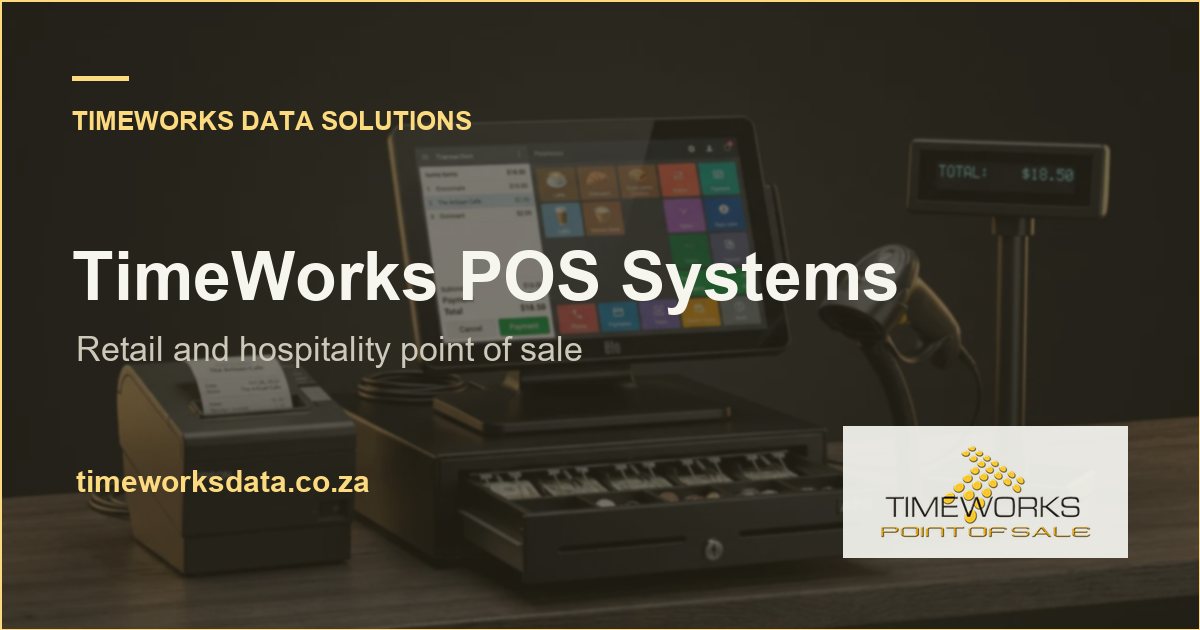
How to tie this back to your supplier
When you ask about support during peak service, bring the hardware into the question. Example: “If our terminals stop printing or orders do not display, what exactly do you do, and how fast can you replace the failed unit?”
4) Support for restaurants, bottle stores, coffee shops, and butchery operations
Peak service support is not one-size-fits-all. A Butchery POS and a Bottle store POS have different flow patterns, stock handling needs, and urgency points. A Coffee shop POS lives on ticket speed and modifier accuracy. A Wine estate POS often has tighter event windows and seasonal surges.
So we suggest you ask the supplier how they support the operational details that cause the rush to break. Then ask how that support shows up when the kitchen is printing and staff are switching roles.
Questions to ask by venue type
- Restaurants (Restaurant POS Cape Town): What is the support workflow for kitchen printing delays and display updates?
- Coffee shops (Coffee shop POS): How do they troubleshoot modifier errors without stopping the queue?
- Butchery (Butchery POS): How do they handle barcode scanning issues and stock-taking interruptions during peak?
- Bottle store (Bottle store POS): How do they handle age checks, payment retries, and receipt reprints?
- Wine estates (Wine estate POS): What is their event-day support plan for multi-location or pop-up setups?
Practical suggestion: Ask for a real example of how they handled a peak issue in a similar environment. We do this because No competitor in our market publishes case studies. We do, because our clients' operations speak for themselves. You can start at TimeWorks case studies.
5) Ask about support automation, documentation quality, and ticket deflection
Automation is helpful only if it is accurate and current. During peak service, outdated docs cause more tickets, not fewer. Updated help content reduces manual back-and-forth and helps staff self-resolve before the next wave hits.
So we suggest you ask for a documentation quality check. Ask if their help articles are reviewed and updated on a schedule, especially for common peak failures like printer issues, payment retries, and menu display delays.
Questions to ask
- How often do you update support documentation? Ask for a clear cadence for review and refresh.
- Which issues are most common during peak? Then ask what scripts and steps staff use to resolve them quickly.
- Do you offer live support scripts for managers? We want a tight checklist, not a long troubleshooting narrative.
- How do you measure success? Ask about ticket deflection and resolution time, not just “number of tickets.”
Why it matters: peak volume multiplies every small failure. If staff can follow a correct runbook, you avoid waiting for remote support while the floor queues.
6) Ask how support handles integrations during rush: online ordering, kitchen printing, and sync
Peak service support becomes complex when you have more than one order channel. Online ordering integrations can add new failure points, like kitchen printing delays, queue mismatch between front-of-house and kitchen, or sync problems when the connection is patchy.
If you are using restaurant workflows in South Africa, ask about integrated online ordering support, and how kitchen printing stays consistent when orders flood in.
Questions to ask
- If online orders fail to print, what is the immediate recovery step? Ask for a short runbook.
- How do you reconcile orders? Confirm how the POS and kitchen display recover if an order arrived late.
- Can managers see what is stuck? You want visibility, not guesswork.
- How do you test this before go-live? Ask for peak-like test plans that cover modifier selection and multi-device ordering.
For integrated online ordering, we recommend reviewing POS Online Ordering South Africa by TimeWorks so you know what “instant kitchen printing” should look like during a real rush.
7) Ask about human “escape hatches” and staffing for 2026 peak demand
In 2026, people increasingly expect a human option when they do not want to interact with AI. The support strategy must include real humans who can take over when scripts or automation cannot finish the job.
So ask about staffing and training, not just tools. This is where bottlenecks appear when teams struggle to recruit and retain skilled staff, and when managers end up triaging everything themselves.
Questions to ask
- Do you offer escalation to a real person? Ask for escalation triggers and estimated handoff times.
- How are your agents trained? Specifically, training on your specific POS rollout, your hardware, and your integration patterns.
- What happens when the support queue is busy? Ask what SLAs look like under load.
- Do you do on-site support in your region? If you are operating in Cape Town, ask about same-day capability and local response.
We also want to sanity-check the supplier’s implementation backbone. A strong data foundation helps keep trading steady and makes recovery less messy. Ask what data layer they use and how it supports stable peak service.
8) Compare suppliers the right way: support quality, rollout plan, and your operating model
When you compare “POS system providers,” do not only compare features. We compare the operating model. How do they roll out? How do they hand off? How do they support when everything is happening at once?
If you are weighing platform choices, ask direct questions that reveal how support will behave when the floor is under operational pressure. And yes, you can ask supplier comparisons like TimeWorks vs GAAP or Yoco vs full POS system, but keep the conversation grounded in support during peak service.
Comparison questions that actually matter
- What is your peak support plan if we run multiple tills at once?
- How do you handle replacement hardware during peak? POS hardware Cape Town swap process matters.
- Do you support our required peripherals? Touch terminals, mobile tablets, printers, and kitchen display workflows.
- How do you train our team for self-sufficiency? Ask for training materials and a post-training verification.
If you need mobile trading for markets or pop-ups, ask about tablet POS support and the specific way updates roll out to tablets. You can reference Tablet POS in South Africa when you ask those support questions.
Conclusion: What should I ask a supplier about support during peak service?
If you only ask one thing, make it this: What will you do differently during peak service, and how fast will you fix it? In 2026, customers expect faster response times (88%), they treat round-the-clock availability as normal (74%), and outdated documentation wastes peak capacity.
We recommend you walk into the supplier meeting with a checklist that covers: peak response windows, load-shedding-ready POS recovery, POS hardware Cape Town replacements, integration handoffs for online ordering and kitchen printing, and human escalation when automation cannot complete the job. Ask those questions, get the answers in writing, and you will protect the floor during your busiest moments.
Frequently Asked Questions about peak service support
What should I ask a supplier about support during peak service if we use POS rentals Cape Town?
Ask about replacement timelines, spare stock, and how support works when you have multiple units live at once. For POS rentals Cape Town, you also want a clear handoff plan for install day, event day, and breakdown after service.
How do I confirm a supplier can handle load-shedding-ready POS support during busy trading windows?
Ask what happens when internet drops and when power returns, and confirm that the POS can keep trading while it queues and syncs automatically. Also ask for the exact recovery order so you avoid duplicate payments or missing orders during peak service.
Is Restaurant POS Cape Town support different from Retail POS Cape Town support?
Yes. Restaurant POS Cape Town support often needs fast kitchen printing recovery and modifier accuracy troubleshooting, while Retail POS Cape Town support focuses more on checkout flow, peripherals, and stock-related exceptions. Ask for support runbooks tailored to your venue type.
What should I ask about support for a Coffee shop POS or Bottle store POS during peak hours?
Ask how they troubleshoot fast checkout failures without stopping the queue, and how they handle receipt reprints, payment retries, and common peripheral errors. For Bottle store POS, also ask about any age-check or compliance workflow support when the rush hits.
Should I worry about integration failures when using online ordering with my POS?
You should ask what the supplier does when online orders do not print to the kitchen or when sync delays cause mismatches. Good support during peak service includes a short recovery runbook, visibility for managers, and a process to reconcile stuck orders.
Is Yoco vs full POS system support stronger with a full POS rollout?
Compare how support during peak service is delivered, not just feature lists. A full POS rollout typically includes a defined rollout plan, peripheral support expectations, and integration handoffs that reduce ambiguity when volume spikes.
What should I ask a supplier to compare TimeWorks vs GAAP specifically for support during peak service?
Ask about response windows during peak, how documentation is updated, and whether human escalation works when automation cannot finish. Then tie it back to your real setup, POS hardware Cape Town devices, and integration needs so the comparison is operational, not theoretical.